How Body Contouring Farmington Hills May Help Define Your Natural Curves
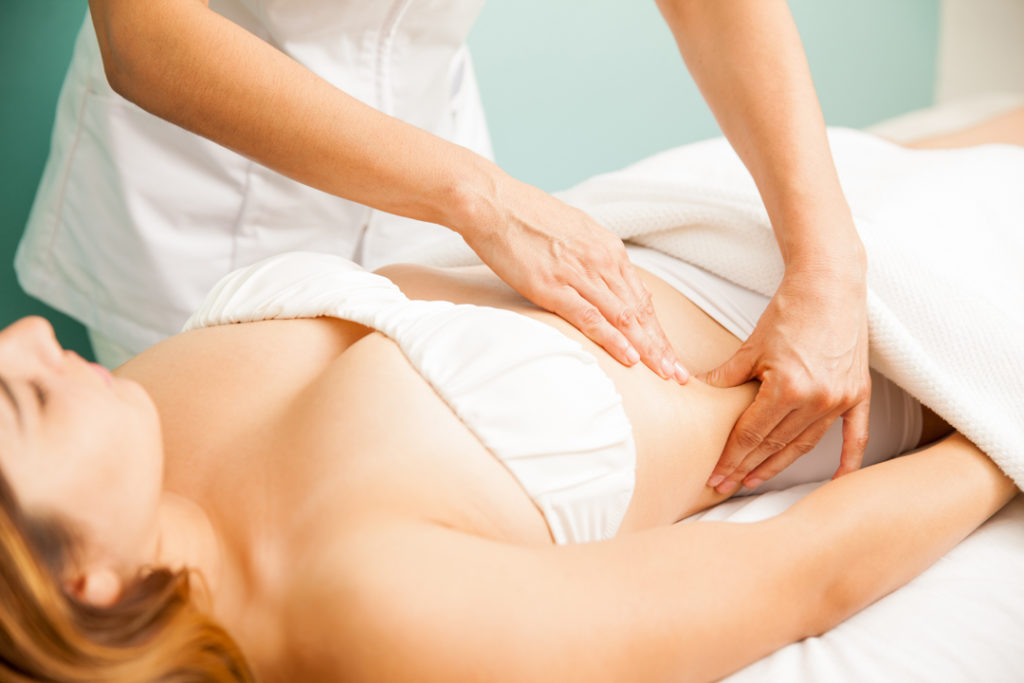
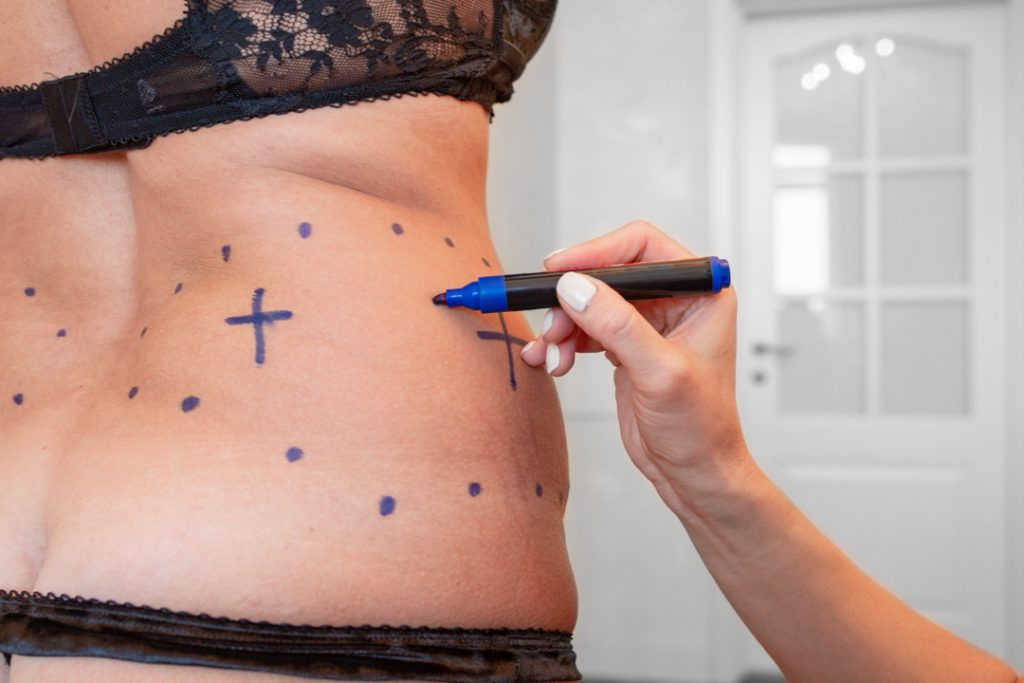
Looking in the mirror and feeling generally healthy, yet still noticing areas that never seem to match the rest of your shape, is a familiar experience for many adults. It may be the lower abdomen that holds onto fullness after pregnancy, the flanks that remain despite steady workouts, or the upper arms that look softer than the rest of the body. These are not always signs of poor habits. In many cases, they reflect genetics, age, hormones, skin quality, and the simple fact that the body does not lose fat evenly.
That is where body contouring enters the conversation. Not as a shortcut to health, and not as a promise of perfection, but as a tool for refining what is already there. For people exploring Body Contouring Farmington Hills options, the appeal is often less about becoming someone else and more about revealing a silhouette that feels more aligned with how they already live.
The phrase “natural curves” matters here. The best contouring work rarely looks obvious. It does not erase individuality or create a copy-and-paste body type. Thoughtful treatment can enhance proportion, smooth transitions between body areas, and reduce stubborn pockets of fullness that distract from a person’s underlying shape. When done well, the result tends to look like a more balanced version of the patient, not a dramatically altered stranger.
What body contouring is really meant to do
Body contouring is a broad term. In practice, it can refer to surgical and nonsurgical treatments designed to reduce localized fat, tighten mild skin laxity, or improve the overall outline of specific areas. Common treatment zones include the abdomen, waist, thighs, buttocks, arms, back, and under the chin. Some methods remove fat directly, while others rely on the body to gradually clear treated fat cells over time.
The important distinction is that body contouring is not primarily a weight-loss treatment. That misunderstanding causes a lot of disappointment. Someone may be thirty or forty pounds above their most comfortable weight and hope contouring will solve the entire issue. It usually will not. These treatments are often most effective for people who are already fairly close to a stable weight and want help with shape, not wholesale transformation.
In real consultations, one of the most useful conversations happens early, before any treatment plan is discussed. It centers on what bothers the patient, what they have already tried, and what “better” would realistically look like. A person who says, “I want my clothes to fit more smoothly around my waist,” is often a stronger contouring candidate than someone who says, “I want to lose three dress sizes by next month.” The first goal speaks to contour. The second speaks to weight reduction on a scale that body contouring alone is unlikely to deliver.
Why some curves feel harder to define than others
Body shape is not simply a matter of https://www.google.com/maps?cid=15618896523686751270 discipline. Two people can follow similar diets and exercise routines and still carry fullness in completely different places. That is because fat distribution follows patterns influenced by family history, sex hormones, age, stress, medications, and connective tissue quality.
Take the lower abdomen as an example. It is one of the most stubborn areas clinicians hear about, especially after pregnancy or significant weight fluctuation. Even patients who maintain regular core training often find that the area retains a soft layer that does not respond much. The flanks behave similarly. They can remain prominent even in otherwise lean individuals, which is why reducing them often has an outsized effect on waist definition.
Skin also changes the equation. A person in their late twenties with good elasticity may see strong definition after modest fat reduction. Another person with thinner skin, sun damage, or postpartum laxity may need a different approach because removing volume alone could leave the area looking less smooth. This is one reason expert assessment matters. The issue is not always “too much fat.” Sometimes it is the relationship between fat, skin, and underlying support.
The difference between reducing fullness and creating shape
People often assume body contouring is about subtraction. Remove fat here, shrink an area there, and the job is done. In reality, attractive contour is about proportion and transition. The body is read visually as a series of lines. A soft indentation at the waist, a smoother line from back to hip, a better balance between abdomen and flanks, these changes can make the whole frame look more harmonious even if the total amount of volume removed is modest.
That is why over-treatment can be a problem. Taking too much from one area may flatten a natural curve or create an uneven look. It can also leave a patient feeling thinner but somehow less feminine, less athletic, or simply less like themselves. Good contouring respects the body’s architecture. It refines shape without stripping away character.
This comes up often with hips and thighs. Some patients want slimmer outer thighs but do not want to lose the gentle curve that gives balance to the lower body. Others want a trimmer waist without looking gaunt through the torso. Those goals require restraint and judgment. A measured approach often produces a better long-term result than aggressive treatment.
Surgical and nonsurgical approaches can serve different goals
There is no single best method for everyone. The right approach depends on the amount of fullness present, skin elasticity, downtime tolerance, budget, and the patient’s expectations.
Nonsurgical treatments tend to appeal to people who want gradual change with little interruption to daily life. These treatments may use cooling, heat, ultrasound, radiofrequency, or injectable technology to target localized fat or support skin tightening. They can be useful for smaller areas and for patients who are patient enough to wait for subtle improvement over several weeks or months. The trade-off is that results are usually less dramatic than surgery.
Surgical contouring, including liposuction and related procedures, tends to offer more visible and immediate shaping potential. It is often chosen when a patient wants a stronger reduction in a specific area or has multiple zones to address. Recovery is more involved, and the decision deserves careful thought, but for the right candidate the degree of change can be significantly greater.
A practical way to look at it is this:
- Nonsurgical contouring often suits mild to moderate fullness, strong skin elasticity, and people who prefer minimal downtime.
- Surgical contouring often suits more pronounced fullness, the need for sharper definition, or cases where a single treatment is unlikely to produce enough change.
- Skin laxity may require a different plan entirely, because fat reduction alone does not tighten loose tissue reliably.
- Stable weight matters more than any device or technique, because ongoing gain or loss can blur the result.
- Expectations should match the method, especially when subtle improvement is the goal rather than dramatic reshaping.
For people searching Body Contouring Farmington Hills providers, this is one of the most important points to understand before booking. The technology name matters far less than whether the treatment actually fits the body in front of the practitioner.
What makes a result look natural
Natural-looking contouring is part technical skill and part aesthetic restraint. The practitioner has to understand anatomy, yes, but also visual balance. The body does not exist in isolated zones. An improved abdomen can look incomplete if the flanks are left untreated. Arms can appear more toned after contouring, but if skin laxity is significant, the result may still not read as “firm.” Under-chin treatment can sharpen a profile, but only if it respects the angle of the neck and jaw rather than hollowing the area.
Patients sometimes bring in photos of celebrities or heavily edited social media images. That rarely helps much. Lighting, posing, filters, and digital retouching distort what real skin and tissue look like. Better references are usually personal and specific. “I want my waistband area to stop bunching under fitted tops,” or “I miss the waist definition I had before my second pregnancy.” Those are grounded, observable concerns.
A natural result also depends on respecting age. A twenty-eight-year-old body and a fifty-eight-year-old body do not respond the same way, and they should not be forced into the same aesthetic blueprint. Mature patients often want smoothness, proportion, and better clothing fit more than extreme definition. That can be a very satisfying treatment goal when approached honestly.
Where patients often see the most meaningful change
Not every area delivers the same emotional payoff. In practice, the zones that tend to matter most are the ones patients notice every day while dressing. The lower abdomen, flanks, and upper back are common examples because they affect how clothes skim the body. A relatively modest refinement there can change how someone feels in jeans, tailored dresses, or fitted shirts.
Under the chin can be another high-impact area. Even slight fullness there may make a person feel heavier in photos than they are in person. When treated appropriately, the profile often looks more defined without changing the rest of the face.
Arms are more nuanced. Patients frequently request leaner upper arms, especially before events or warm-weather seasons. The challenge is that arm contour is heavily influenced by skin quality. Reducing volume may help, but if the skin is lax the improvement may be partial. Honest counseling matters here. It is far better to promise a noticeable but limited change than to oversell a result that anatomy will not support.
The outer thigh and inner thigh each present their own considerations. Outer thigh contour can affect the curve from waist to knee, which is why over-reduction may look unnatural. Inner thighs can improve with treatment, but friction, skin laxity, and movement patterns all shape the final result. These are not cookie-cutter areas.
The role of recovery, patience, and day-to-day habits
Even excellent treatment needs time. Swelling, temporary numbness, tenderness, and shifts in tissue are common parts of the process, especially after surgical contouring. Patients are sometimes surprised that the body can look uneven or more swollen before it looks better. That does not necessarily signal a poor outcome. It often reflects normal healing.
Nonsurgical treatment can test patience in a different way. Because the change is gradual, some people worry nothing is happening. Then, six to twelve weeks later, they realize their waistline looks smoother or a stubborn bulge sits flatter in clothing. The improvement may be quiet rather than dramatic, which is exactly why realistic expectations are so important.
Results also depend on maintenance. Treated fat cells may be reduced or removed, but remaining fat cells can still enlarge with weight gain. That means body contouring rewards consistency. A stable routine, decent hydration, regular movement, and manageable weight fluctuations protect the investment far better than bursts of extreme dieting.
Here is where practical habits help most after treatment:
- Follow compression, mobility, and aftercare instructions exactly if your provider gives them.
- Keep weight changes modest during healing, because rapid gain or loss can distort the settling process.
- Resume exercise on the timeline recommended for your specific treatment, not when social media says you should.
- Judge results in clothes as well as in the mirror, because daily function matters more than a posed photo.
- Bring concerns to your provider early rather than guessing what is normal.
That final point matters. Patients often search forums for reassurance when a quick message or follow-up visit would give a clearer answer. Good providers expect questions. Recovery is easier when people are not trying to decode every normal healing phase alone.
Who tends to be happiest with body contouring
The happiest patients are usually not the ones chasing a fantasy body. They are the ones with a specific, realistic frustration and a balanced view of what treatment can do. They understand that contouring can improve shape, not rewrite genetics. They are willing to trade time, money, and some inconvenience for a more refined silhouette, but they are not expecting their whole life to change overnight.
A stable weight is one common trait among satisfied patients. So is emotional readiness. It is wise to delay treatment during periods of major upheaval, whether that is early postpartum recovery, intense work stress, or an active attempt to lose a large amount of weight. Timing matters because body contouring tends to work best when the body, and the person living in it, are on relatively steady ground.
There is also value in being clear about what bothers you versus what you think should bother you. Social pressure has a way of inventing flaws. If a patient is only pursuing treatment because a trend suddenly labeled hip dips, bra bulges, or thigh texture as unacceptable, that usually deserves a longer conversation. The body is not meant to look airbrushed. Contouring can enhance shape, but it should support confidence, not feed a moving target.
Questions worth asking at a consultation
A strong consultation is less of a sales pitch and more of a reality check, in the best sense. It should clarify whether the concern is actually treatable, what method makes sense, how much improvement is likely, and what trade-offs come with it. Patients often benefit from asking how the provider decides between surgical and nonsurgical options, what recovery actually looks like beyond the brochure, and what kind of result is typical for someone with similar anatomy.
Photos can be helpful if they are honest and representative. The most informative before-and-after examples show patients with similar body types, similar skin tone, and similar starting concerns, not just the most dramatic transformations in the practice library. It is also reasonable to ask how many sessions may be needed, whether swelling could temporarily interfere with work or events, and what would happen if the first round does not reach the desired change.
For anyone considering Body Contouring Farmington Hills services, local convenience can be useful, but it should not outweigh expertise and fit. A short drive saved is not meaningful if the treatment plan is generic or the consultation feels rushed. The best outcomes usually begin with being heard accurately.
Why “natural curves” remain the best goal
There is a reason the phrase keeps resurfacing. Natural curves age better than extreme trends. They look more believable in motion, more graceful in ordinary clothes, and more consistent with the body’s own structure. They also leave room for life. Bodies change with time, hormones, stress, and seasons. A refined, proportional result tends to remain attractive through those shifts in a way that aggressive sculpting sometimes does not.
Patients often report that the most satisfying part of contouring is not looking dramatically different. It is the relief of no longer fixating on one area. A dress zips more smoothly. A waistband sits flatter. Photos feel less strategic. A person stops turning sideways in the mirror to check the same spot every morning. That mental quiet can be more meaningful than any inch lost.
Body contouring can be a thoughtful option for people who are already doing many things right and still feel held back by a few stubborn areas. It can define the waist without erasing softness, refine the abdomen without flattening femininity, or streamline the profile without making the face look severe. When it is planned carefully and performed with restraint, it supports the body you already have rather than fighting it.
That is often the most realistic and most attractive outcome of all.
Aesthetic Plastic Surgery & Laser Center, Michelle Hardaway M.D.
Address: 27920 Orchard Lake Rd, Farmington Hills, MI 48334
Phone number: +12482211957
FAQ About Body Contouring Farmington Hills
What does body contouring actually do?
Body contouring (or body sculpting) eliminates stubborn localized fat, tightens loose, sagging skin, and reshapes your silhouette. It is not a weight-loss tool, but rather a cosmetic procedure used to refine and tone specific trouble spots after major weight loss, pregnancy, or aging.
How much does body contouring usually cost?
The total cost of body contouring usually ranges from $2,000 to $25,000+ depending entirely on whether you choose non-surgical sessions or major surgical procedures.
Because "body contouring" covers everything from simple fat-freezing to comprehensive post-weight-loss surgeries, pricing is heavily categorized by the method used.
What is the best type of body contouring?
Liposuction is a huge topic and worth discussing in more detail, but in terms of body contouring and sculpting, nothing does the job better than liposuction, particularly VASER liposuction.