How Body Contouring Farmington Hills Can Boost Everyday Confidence
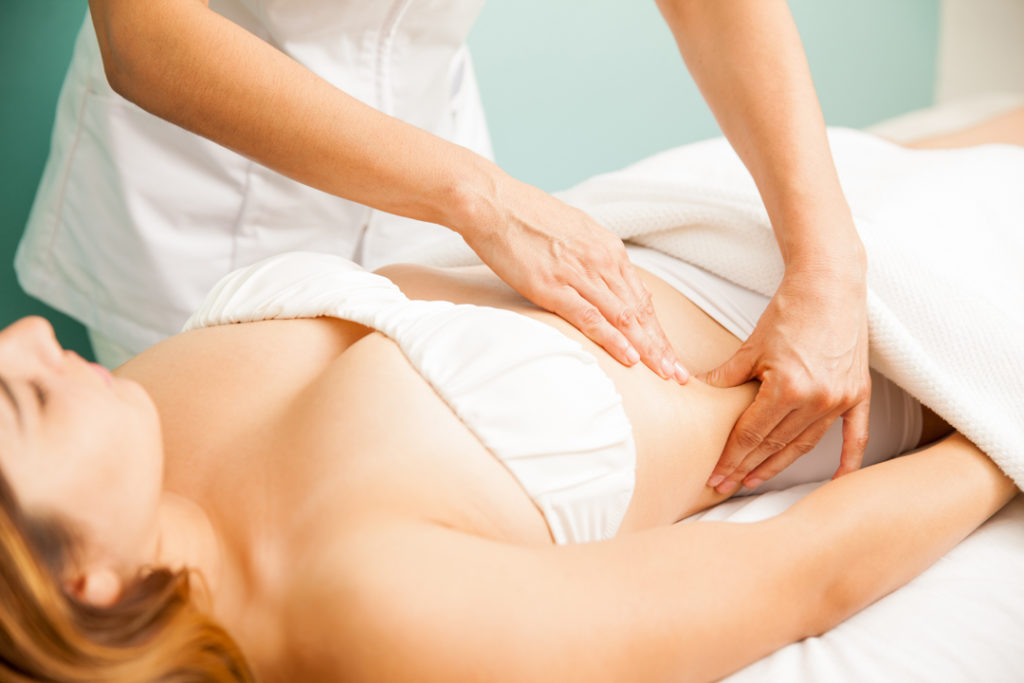
Confidence rarely arrives all at once. For most people, it builds in small, practical moments: getting dressed without frustration, walking into a meeting without tugging at a shirt, seeing a photo of yourself and not immediately zooming in on one area you wish looked different. That is where body contouring often matters most. It is not only about shape. It is about how comfortably you move through ordinary life.
In my experience, people usually do not seek body contouring because they expect a completely different body. They are often already doing many things right. They may exercise regularly, eat reasonably well, and maintain a stable weight. Yet one or two areas remain resistant. The lower abdomen stays soft after pregnancy. The flanks hold onto fullness no matter how many miles they run. The upper arms still feel less defined than the rest of the body. These stubborn pockets can have an outsized effect on self-perception.
That is why interest in Body Contouring Farmington Hills continues to grow. Patients want options that feel personalized, realistic, and compatible with a busy life. They are not always asking for dramatic transformation. Often, they are asking for alignment, for their outside shape to better reflect the effort they already put into their health and appearance.
Everyday confidence is built in ordinary moments
Aesthetic treatments are often discussed in sweeping language, but their benefits are usually much more down to earth. Confidence shows up when the friction in daily routines goes down.
Think about the parent who has lost significant weight but still feels distracted by loose tissue around the midsection. Or the professional who dresses well for work yet avoids fitted clothing because of fullness along the waistline. Or the woman who is strong and active but never feels fully comfortable in sleeveless tops because the backs of her arms are the one feature she notices first. These concerns may sound minor to someone else, but to the person living with them every day, they are not minor at all.
The emotional effect can be surprisingly persistent. A person may be pleased with their overall health and still feel let down by a specific contour issue. That disconnect matters. When body contouring is done thoughtfully, it can reduce the constant low-level self-consciousness that many people have normalized for years.
I have seen confidence improve not because someone suddenly became obsessed with appearance, but because they stopped thinking about one body area all the time. There is relief in that. Mental bandwidth returns. Dressing becomes easier. Social plans feel less loaded. Even posture can change when people are no longer trying to hide themselves.
What body contouring actually means
Body contouring is a broad term, and that is part of why people can feel confused when they begin researching it. It can refer to nonsurgical treatments that target pockets of fat, tighten mild skin laxity, or improve definition. It can also refer to surgical procedures that remove fat, trim excess skin, or reshape larger areas more decisively.
The right approach depends on what is really bothering the patient. Is it a modest amount of localized fat with firm skin? Is it loose skin after pregnancy or significant weight loss? Is the concern more about texture and mild laxity than volume? These distinctions matter because the treatment that works well for one problem may be the wrong fit for another.
A common mistake is assuming every contour concern can be handled with the least invasive option. Nonsurgical treatments can be excellent for carefully selected patients, but they have limits. They are generally better for refinement than for major change. Surgical contouring tends to involve more recovery, but it can deliver a level of correction that devices simply cannot match when there is excess skin or more substantial tissue redundancy.
Patients are often happiest when expectations are calibrated from the start. The best consultation is not a sales pitch. It is an honest assessment of anatomy, skin quality, lifestyle, and goals.
Why local context matters in Farmington Hills
People often search for Body Contouring Farmington Hills because convenience is part of the decision. That makes sense. Treatments that involve a series of visits, follow-up imaging, compression garments, or postoperative appointments are easier to manage when the practice is nearby. Distance affects compliance more than many people realize.
There is another local factor worth acknowledging. Farmington Hills and surrounding communities include a broad range of patients, from busy professionals to parents managing packed schedules to adults maintaining active lifestyles well into middle age and beyond. Their expectations tend to be practical. They want to look refreshed and more proportionate, not overdone. They want treatments that support real life, not treatments that require them to disappear for weeks without planning.
That practicality often leads to smarter choices. Patients ask good questions. They want to know how long swelling may last, whether they can drive their kids to school the next day, when they can return to workouts, and whether the result will still look natural in business attire, casual wear, and swimwear. Those are the right questions, because confidence is lived in the details.
The areas that tend to affect confidence most
Not every body area carries the same emotional weight for every person, but certain patterns come up again and again.
The abdomen is a major one, especially after pregnancy or weight fluctuations. Even when the scale returns to a familiar number, the contour often does not. Skin may be looser, the lower belly may project more than before, or abdominal muscles may have separated. People can feel like they have done the work without seeing it reflected in this one central area.
The flanks are another frequent concern. Love handles can change how pants fit and create a persistent feeling that nothing sits smoothly through the waist. Many patients say this area influences what they wear more than they expected.
Upper arms can have a similar effect, particularly for women who feel strong and healthy but avoid sleeveless clothing. The thighs, under-chin area, back, and bra-line region also matter, sometimes less because of size and more because of how they affect silhouette in clothing.
Then there are patients who have lost a substantial amount of weight. For them, the issue is often not isolated fat. It is excess skin that changes comfort, hygiene, and mobility as much as appearance. Their confidence boost can be especially meaningful because body contouring helps them feel that their hard-earned progress is finally visible.
How body contouring changes more than appearance
The visible improvement is obvious, but several of the biggest benefits are functional or psychological.
Clothing tends to fit more predictably. This sounds simple, but it matters. People spend less time changing outfits, less money buying around problem areas, and less energy wondering whether something is flattering enough. https://titusrmwu667.focalledger.com/posts/body-contouring-farmington-hills-key-benefits-of-non-invasive-services A smoother contour often widens the range of clothes that feel comfortable, not just the range that looks acceptable.
Movement can feel easier too. After reduction of excess tissue in certain areas, exercise may become more comfortable. Chafing may decrease. Compression clothing may be less necessary. For patients with significant post-weight-loss skin, everyday activities can feel less cumbersome.
There is also a social shift that many patients do not anticipate. They start participating more freely. They say yes to a beach day, a wedding, a photo, a fitted dress, a presentation at work. Those moments accumulate. Confidence becomes less performative and more lived-in.
This is one reason good body contouring can have a durable emotional effect. It does not rely on a constant stream of compliments from other people. The real payoff is often internal. A person feels more at ease in their own body, and that ease changes how they show up.
The difference between realistic confidence and chasing perfection
Body contouring can be helpful, but it works best when the goal is improvement, not flawlessness. People who do well are usually looking to address a specific issue that has remained stable over time. They have thought about it for a while. They can describe what bothers them and what a meaningful improvement would look like.
By contrast, people who bounce rapidly from one perceived flaw to the next may not feel satisfied even after a technically successful result. No reputable provider should ignore that distinction. Cosmetic treatment should support confidence, not become an endless effort to fix every visible imperfection.
The most grounded approach is to define success clearly. For one patient, success may mean a flatter lower abdomen in fitted clothing. For another, it may mean less fullness under the chin on video calls and in profile photos. For someone after major weight loss, it may mean finally wearing normal clothes without layers of strategic compression underneath. These are tangible goals. They can be discussed, planned for, and evaluated honestly.
Choosing between nonsurgical and surgical options
This is often the turning point in the decision-making process. People naturally lean toward the least invasive solution, but less invasive does not always mean better. It means different.
Nonsurgical body contouring can make sense when the concern is limited and the skin still has decent elasticity. Recovery is often easier, and treatments may fit more comfortably into a busy schedule. The trade-off is that results tend to be subtler and may take time to develop. Some patients need multiple sessions. Others may see only modest improvement, even when the treatment is done well.
Surgical contouring offers a stronger change, especially when skin excess is part of the picture. Liposuction can reshape localized areas more powerfully than external fat-reduction devices. Procedures that remove extra skin can address issues nonsurgical technology cannot fix. The trade-off, of course, is recovery, cost, and a greater need for planning.
One of the most important conversations in consultation is not, “What is the newest option?” It is, “What actually matches my anatomy and my tolerance for downtime?” Those are not glamorous questions, but they lead to better outcomes.
A few signs that timing may be right
If someone is considering Body Contouring Farmington Hills, timing matters almost as much as treatment choice. A procedure tends to feel more worthwhile when life and health factors are stable.
- Your weight has been relatively steady for several months.
- You can point to a specific contour concern rather than a general feeling of dissatisfaction.
- You understand the likely trade-offs between downtime and results.
- You are doing this for yourself, not to meet someone else’s expectations.
- You can commit to aftercare, follow-up, and maintaining the result.
These markers are not about perfection. They simply suggest that the person is making a measured decision rather than reacting to a short-lived frustration.
What a thoughtful consultation should feel like
A good consultation is detailed, calm, and specific. It should begin with listening. The provider needs to understand not just what area bothers you, but why. Is it a clothes issue, a confidence issue, a comfort issue, or all three? The answer helps shape the treatment plan.
Examination matters too. Skin quality, pinch thickness, asymmetry, scars, muscle separation, and body proportions all affect what is possible. Photographs may be taken to help compare before and after results objectively, since people often forget how they looked at baseline once recovery starts.
The most useful consultations also include frank discussion of limitations. No one is perfectly symmetrical. Swelling can last longer than patients expect. Some areas respond more predictably than others. Skin contraction has limits. If a provider promises an effortless transformation with no discomfort and no trade-offs, caution is warranted.
You should leave with a clear sense of what is being recommended, why that option was chosen, what recovery involves, and what result is realistic. You should not feel rushed or pressured to commit on the spot.
Recovery and the confidence curve
People often imagine confidence arriving the moment treatment is done. In reality, there is usually a curve to it. This is especially true with procedures that involve swelling, bruising, compression garments, or gradual tissue settling.
The early stage can be emotionally awkward. You may be sore, puffy, and uncertain whether the result is unfolding as expected. That is normal. In my experience, patients cope best when they know this ahead of time. Recovery is rarely glamorous, but it is temporary.
Then a subtle shift begins. Clothes start to sit differently. The treated area feels less prominent. You stop checking the mirror every hour. Friends may say you look rested or fit without being able to identify exactly why. That is often the sweet spot. The result looks like you, just more balanced.
This gradual confidence tends to hold up better than the adrenaline rush of immediate change. It feels integrated into real life. It also reinforces healthy habits. People who are pleased with their contour often become more motivated to maintain their weight, keep exercising, and protect the investment they made.
Questions worth asking before moving forward
When evaluating a provider or treatment plan, ask the questions that reveal judgment, not just availability.
- Am I a better candidate for refinement or for a more definitive correction?
- What result is realistic for my skin quality and anatomy?
- How long should I expect swelling or temporary irregularity to last?
- If I gain or lose weight later, how might that affect the result?
- What does aftercare involve during the first few days and first few weeks?
These questions tend to produce more useful answers than asking for the “best” treatment in the abstract. The best option is always conditional.
The role of maintenance after body contouring
No body contouring result exists in a vacuum. It lives inside a body that continues to age, fluctuate, and respond to lifestyle. That is not a failure of treatment. It is simply biology.
Stable weight matters more than most people think. Even a good result can soften if a patient experiences repeated gain and loss. Hydration, strength training, and overall conditioning also shape how the body carries itself after contouring. None of this means a patient must become obsessive. It means the treatment works best as part of a bigger pattern of self-care.
For nonsurgical treatments in particular, some patients choose periodic maintenance depending on the technology used and the original goal. Surgical results are generally more durable, but they still benefit from steady habits. A contour improvement can last a long time when expectations and maintenance are handled sensibly.
Why confidence often improves quietly, not dramatically
The most meaningful outcomes are not always the most obvious ones. A patient may not have a cinematic reveal moment. Instead, six months later, they realize they no longer avoid mirrors in dressing rooms. They packed for vacation without anxiety. They wore a tucked-in shirt to dinner. They stood straight in family photos.
That kind of change can sound modest on paper, but it is powerful in practice. Everyday confidence is rarely loud. It is the absence of constant negotiation with your own reflection. It is the ease of feeling proportionate, put together, and comfortable in your skin.
For many people exploring Body Contouring Farmington Hills, that is the real goal. Not a new identity. Not impossible perfection. Just less friction, more comfort, and a body that feels more in sync with how they already live.
When body contouring is chosen carefully, performed appropriately, and matched to realistic expectations, it can offer exactly that. It sharpens the connection between effort and appearance. It clears away one persistent distraction. And in daily life, that small shift can make a very large difference.
Aesthetic Plastic Surgery & Laser Center, Michelle Hardaway M.D.
Address: 27920 Orchard Lake Rd, Farmington Hills, MI 48334
Phone number: +12482211957
FAQ About Body Contouring Farmington Hills
What does body contouring actually do?
Body contouring (or body sculpting) eliminates stubborn localized fat, tightens loose, sagging skin, and reshapes your silhouette. It is not a weight-loss tool, but rather a cosmetic procedure used to refine and tone specific trouble spots after major weight loss, pregnancy, or aging.
How much does body contouring usually cost?
The total cost of body contouring usually ranges from $2,000 to $25,000+ depending entirely on whether you choose non-surgical sessions or major surgical procedures.
Because "body contouring" covers everything from simple fat-freezing to comprehensive post-weight-loss surgeries, pricing is heavily categorized by the method used.
What is the best type of body contouring?
Liposuction is a huge topic and worth discussing in more detail, but in terms of body contouring and sculpting, nothing does the job better than liposuction, particularly VASER liposuction.